Ask this concern in any emergency warden course and you will see people eye each other before someone endeavors, "White?" They are usually right, at the very least in Australia where one of the most commonly taken on convention places the chief warden in a white helmet. The next inquiry, though, matters just as much: does everybody in your structure recognise that colour coding, and is it regular throughout your sites and shifts? Colour alone does not leave a building, however it does offer immediate quality when secs hurt.
I have stood in lobbies filled with alarms and confusion and saw the distinction a regimented, visible Emergency situation Control Organisation makes. You can feel the temperature decline once individuals identify a white helmet and a consistent hand lifts the megaphone. This short article deciphers warden hat colours, establishes them in the context of training and lawful obligations, and offers the useful details that maintain a plan on track when smoke, noise, and adrenaline intimidate to reverse it.
The quick response, and why colour matters
In Australia, the usual convention is:
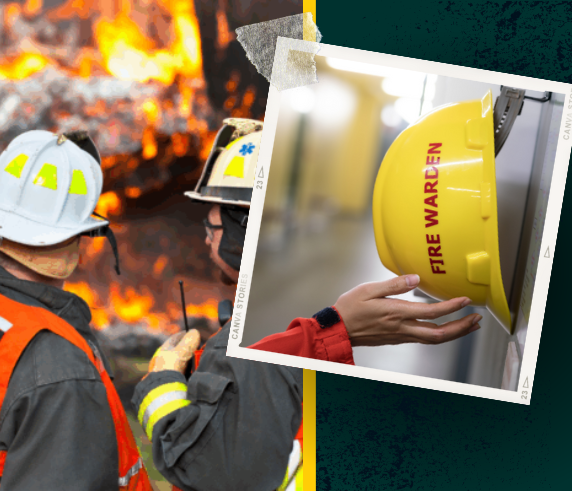
- Chief warden safety helmet: white Deputy chief warden headgear: white with markings or banding Communications officer helmet: white with a distinct marking, often a blue band or label Floor or area warden helmet: yellow Warden (basic) safety helmet: red First aider headgear: green
That pattern reflects advice used by many facilities and emergency warden training courses aligned to the AS 3745 series for center emergency preparation. It is not a criminal code with fines affixed, and different sectors in some cases fine-tune it. Mining, health care, occasions, and transportation centers may include functions or change markings. What matters is recorded uniformity inside your work environment, clear identification of functions, and training that makes the colours meaningful to occupants. A red cover in one tower and an environment-friendly lid nearby types hesitation.
If you operate in areas outside Australia, check your regional requirement. Some countries default to vests or armbands rather than headgears, and the palette relocates appropriately. When unsure, release your site legend on warden boards, in lift lobbies, and on your intranet. The colour map need to be as noticeable as your emptying diagrams.
The chief warden's duty is more than a colour
A white helmet helps people find the choice manufacturer, however authority originates from capability and training. The chief warden leads the Emergency Control Organisation, makes the phone call to evacuate, coordinates wardens, communicates with emergency solutions, and chooses when it is safe to return to. In modern buildings loaded with systems, that leader likewise translates fire indication panel details, cause-and-effect matrices, and staged emptying modes.
Chief warden training typically maps to PUAFER006 lead an emergency control organisation. The PUA training plan is country wide identified in Australia for public security abilities. The PUAFER006 course develops capability in preparation, management, interactions, and choice making under pressure. If you are relocating right into a chief fire warden role, a trustworthy chief warden course or chief fire warden course developed around PUAFER006 is the appropriate action. Expect to discover what to do with partial discharges, exactly how to manage mobility-impaired residents, and when to switch from an examine phase to an instant evacuation.
The remainder of the ECO trains to support that management. Wardens usually total PUAFER005 operate as part of an emergency control organisation. That device supports fire warden training, and it gets down to the functional components: sweeping areas carefully, reporting clear areas, dealing with tiny extinguishers where secure, and assisting occupants to setting up locations. A great fire warden course does greater than program devices. It adds judgment. A spill in the battery room is not the same as a toaster oven fire in a personnel kitchen area. A person floor in an exclusive healthcare facility escapes in a different way from a circulation flooring with forklifts and lithium pallets.
Inside the ECO: exactly how colours help decision flow
During an alarm system, the structure seldom empties in one gesture. Triggers vary. You may begin with an alert tone and examination, relocate to an evacuation tone for a single floor, and escalate to a full building evacuation. That series relies on what the fire indication panel states and what wardens report. The colours function as easy identifiers in the flow.
White shows control. The chief warden, in some cases with a replacement in matching colour with a stripe or tag, stays near the panel or established control factor. They work with, choose, and document. Yellow denotes individuals clearing areas. Red marks wardens who are not leading a floor but who still have obligations such as stairwell flow and door checks. Environment-friendly, if utilized for initial aiders, lets individuals with medical needs know whom to approach, and gives the chief warden visibility over clinical capacity on the relocation. Communications officers typically put on white with a band, and they handle phones, radios, and the log. In a genuine event, the communications duty avoids memory gaps. After-action reviews, insurance coverage, and regulatory authority concerns count on those notes.
To make the combination work, standardise names. A "floor warden" in one tower and an "location warden" in the storehouse may both use yellow, however if you require a function that does not exist on the radio, you create a few seconds of silence. Release function definitions and maintain them the very same across your websites where possible.
What training actually looks like
Too many people imagine fire warden training as a 90-minute lecture with an extinguisher demo and a certificate. Effective warden training and chief warden training look different. They include site-specific method, handovers, and muscle mass memory.
A well-run PUAFER005 course blends class with functional workouts. The instructor should stroll the website, mention pinch factors in egress routes, and demonstrate how to require a fire door shut if it sticks. They ought to chat with stairwell stack impact, the method smoke and warmth can pull air up or down through a shaft, and exactly how that affects your option of route. Your wardens should find out to trace mistake messages on the FIP, understand presented discharge, and talk clearly on radios.
PUAFER006 includes the management frames. In my experience, among the most effective workouts is a timed circumstance with partial information. Begin a sharp on level 11, jam one stairwell with a simulated blockage, and see if the chief warden coordinates a split evacuation while preserving communications with structure management and emergency solutions. In the debrief, focus on decisions instead of end results. Was the delay to investigate ideal? Did they place a replacement at puafer005 course content the second control factor? Did they assign a jogger when the radio dead zone appeared?
If your building has 24-hour occupancy or intricate changes, schedule a minimum of one workout out of business hours. The evening team locates different troubles: locked hallways, less safety and security existence, and fewer wardens. Chief fire warden duties at 2 a.m. commonly consist of making a decision whether to evacuate a flooring with three people or to take care of in place while waiting on the brigade, and that adjustments run the risk of calculations.
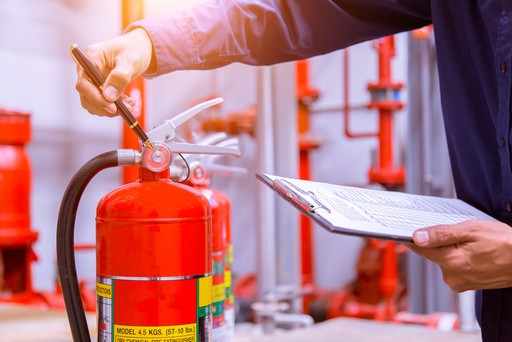
Fire warden demands in the workplace
The lawful framework varies by jurisdiction, but the themes hold. Employers have to supply a secure office, which includes emergency situation planning, training, and implies of risk-free egress. In Australia, AS 3745 sets out assumptions for preparation, layouts, and ECO structure. Regulatory authorities expect you to run discharge workouts, record them, and keep competency.
Fire warden requirements include:
- Enough wardens to cover each area, with back-ups for holidays and unwell leave Training lined up to PUAFER005 for wardens, and PUAFER006 for principal or deputy principal wardens Site-specific familiarisation, not simply generic theory Regular drills, often every 6 to twelve month, with records Clear identification, which can be helmets, vests, armbands, or a mix, supported by signage
That last point matters. If your market inhibits construction hats outside building and construction or plant locations, do not require safety helmets where vests would certainly serve. You can still keep the colour coding with high-vis vests, caps, or armbands. Helmets are common in commercial sites where head protection currently exists, so including colour-coded shells is simple. In offices, vests and caps take a trip better.
The usefulness of headgears, vests, and markings
The concern "what colour helmet does a chief warden wear" assumes safety helmets, but your recognition package must cover a couple of essentials. Make it simple to get hold of, simple to see, and difficult to confuse.
Store recognition where individuals will certainly be when an alarm appears. A box in the basement is pointless. Flooring warden stations near stairwells work well for yellow and red gear. The chief warden hat and vest belong near the FIP or the designated control point. Tag radios and spares. If you utilize reusable name inserts on safety helmets or vests, maintain a couple of blanks and a pen at each station.
Banding and words matter as much as base colour. A white headgear with a clear "Chief Warden" label defeats an unmarked white hat, particularly for brand-new personnel and site visitors. For interactions police officers, a white headgear with a blue band and "Comms" label avoids cross-talk. In mixed-use structures, line up labels with the language your owners use, not lingo. If your individuals believe "flooring captain," either switch to "flooring warden" everywhere and educate it hard, or print both terms.
Consider lighting. In smoke or low light, a matte white headgear pops more than yellow or red. Reflective tape can help. Headlamps on safety helmets supply worth in plant areas and cellars, yet train individuals to stay clear of blinding evacuees when offering instructions. Radio earpieces can keep corridors quieter, yet they also separate. Decide based on your sound profile.
How colours converge with radios and commands
Clear comms decrease panic. Your colour scheme must map to radio call indicators. An example that works:
- "Chief, from Yellow 12, east stairwell clear on degree 12. 45 individuals relocated. Returning for recheck." "Principal, from Red Entrance hall, assembly location A at 60 percent, one asthma situation with Eco-friendly." "Comms, from Principal, log time of evacuation order for degrees 10 to 12 at 10:14, and suggest brigade of lift isolation fault showing on panel."
This is not unique forces radio discipline. It is basic, repeatable, and apprehensible. Teach wardens to lead with who they are and where they are, after that say what they see and what they will do next. The colours in the telephone call indications give immediate context. In larger sites, number your wardens by flooring or area. In smaller sized websites, "Yellow West" and "Yellow East" is enough.
Common risks and exactly how to repair them
Uniforms without technique collect dirt. One of the most constant troubles I see are educating gaps, gear drift, and irregular messages.
Wardens are assigned and never exercised. You can take care of that by organizing two drills a year and turning circumstances. One must be an uncomplicated daytime discharge. The various other must replicate a fault or blocked path. Add a short table top every quarter for principals and deputies, thirty minutes around the FIP with what-if questions.
Gear wanders right into cupboards much from the action. Repair it by anchoring gear terminals to evacuation courses and control factors, then including them in regular monthly checks. Deal with warden gear like a fire extinguisher. It belongs, and somebody indications off that it is still there.
Messages clash. Facilities set up posters that reveal red for wardens, but fire warden requirements in the workplace brand-new vests show up in yellow. Resolve it by publishing your tale once, in a brief website treatment, and cooking it into inductions. Show the colours survive a warden board with real safety helmets or vests, not just a visuals. When individuals touch the gear, they keep in mind it.
Where PUAFER005 and PUAFER006 suit the bigger picture
These devices are not just boxes ticked to satisfy a requirement. They produce a common language. When a professional moves between your sites, the same PUAFER005 operate as part of an emergency control organisation abilities take a trip with them. The same strategy to sweeping, the exact same habit of closing fire doors gently but securely, similarly of reporting. PUAFER006 lead an emergency control organisation turns a skilled warden right into a leader that can establish pace, divide jobs, and make the telephone call when info is incomplete.
If you are reviewing service providers, ask to see exactly how their fire warden course or chief warden course maps to these units. Search for time on your website, not just in a class. Ask how they include your fire indication panel reasoning, your stairwell pressurisation series, and your occupants' special threats. A chief fire warden training program that ignores your battery rooms or your day surgery is not serving you.
Special settings transform the palette
Healthcare adds professional leadership to the ECO. The chief warden may still put on white, yet the clinical lead may wear a different identifier. Straight evacuation becomes the initial tool, and colour cues swap from helmets to door pens and person tags. The same goes for aged treatment where residents can not use stairways swiftly. Your colour chart still helps, yet your strategy leads.
Warehouses and logistics websites commonly pick helmets due to the fact that head protection is already mandated. High bays, forklifts, and exterior backyards include weather and noise. In these setups, reflective tape and huge letters increase exposure. Radios require headsets that deal with safety helmets. First aiders in green need to lug trauma packages, not just bandages.
Office towers may decide that vests are safer and much faster. In high-rise buildings with phased discharge, colours can couple with floor numbers on back panels. A yellow vest with "L15" on the back rates recognition as wardens move in stairwells.
Events and public locations introduce patrons not familiar with your legend. Put straightforward indications near entries and muster factors: "In an emergency, follow instructions from wardens. Yellow and red vests." Consist of a brief line in pre-show announcements, especially for places with pyrotechnics or smoke effects.
Drills that construct actual confidence
The ideal drills begin in a timely manner and end with straightforward debriefs. Select one clear learning go for each workout. For example, validate radio insurance coverage on cellar levels, or test evacuation of mobility-impaired staff utilizing refuge points and buddy systems. To maintain engagement, vary the manuscript: in some cases an alarm with nobody at the panel, sometimes a call from a lessee about a smell on degree 9. Practice the decision to shelter in position when ideal, such as exterior dangers or air-borne irritants from a street-level incident.
During the drill, have the chief warden wear the white helmet and vest also if your typical technique is a vest only. Exposure strengthens routines. Time the sequence: alarm to recommendation, acknowledgment to first record, initial record to choice, decision to motion. Those numbers inform you whether you are improving.
Afterward, debrief promptly while memory is fresh. Keep it structured. What went well, what was sluggish, and what will certainly we transform. Appoint actions with proprietors and days. Submit the document with your emergency warden training documents. Regulatory authorities and insurers appreciate proof of knowing, not simply attendance sheets.
Choosing and maintaining gear
Helmets and vests fail silently when laid off. Plastic ages under UV. Foam pads fall apart. Radio batteries die on shelves. Build an easy care routine. Monthly, have a person inspect each item for cracks, frayed straps, and legibility of labels. Change faded kit. Keep spare batteries on a fee cycle and mark days. If you use a chief warden hat with a clip-on light, examination it and maintain extra cells in a little bag taped inside the helmet.
Be regular regarding sizing. A one-size vest hardly ever fits well over wintertime coats. In combined climates, supply two sizes at each station. If your building uses access control lanyards, avoid safety helmet chin bands that contend them. Train people to get rid of lanyards throughout emptyings to minimize snag hazards.
What to teach past colours
Colour makes you visible. Words and actions make you efficient. In every warden course, I press five behaviors. Initially, close doors behind you to slow down smoke spread. Second, utilize stairs, never lifts, unless lift use is part of a details plan accepted for mobility-impaired discharge with fireman control. Third, check bathrooms and back-of-house areas since individuals hide or remain. 4th, maintain individuals moving when they dedicate to a path. Fifth, report what you see with ordinary language. "Light smoke in hallway, resource unknown, relocating south" defeats "scenario vague."
Teach wardens exactly how to handle groups at doorways. Someone wedged in a stairwell door can slow 100 others. Program the elbow joint lock method for guiding somebody that is worrying without battling them. In chief warden training, practice the discussion with a renter manager that intends to wait on a conference to complete. Authority issues. So does politeness. You can say, "We are leaving now. You can grab your phone. Leave bags."
Answering the concern people will certainly Google throughout a drill
When an alarm sounds, people browse their phones. If your intranet has actually a page titled Fire warden training requirements or Emergency warden training, make that web page crisp, visual, and connected to your colour scheme. Put the chief warden hat colour front and centre with photos. Include a line concerning that to comply with and where to fulfill. Program the chief warden responsibilities in human terms, not just a lengthy bullet checklist from a standard.
If you hold visitors, display a basic A4 poster in function with the colours and roles. In mixed-tenancy structures, coordinate with developing management so the lobby message matches the occupancy message. On the day a genuine fire bursts out, mixed messages increase noise.
When the paint does not match the book
You will certainly inherit sites where the gear is wrong. A box of blue headgears could get here from a previous service provider. Or a corporate rebrand picks yellow vests with a new logo design that encounter your legend. Pick a course. Either transform the equipment to match your strategy, or change the plan and train it hard. Do not leave an inequality in place. In one client website, white helmet were regular for site visitors on plant tours. We switched the chief warden hat to a white helmet with a neon environment-friendly band and black "Chief Warden" block lettering. In drills, the environment-friendly band made the difference.
Building a qualified ECO is a leadership job
Appointing a chief emergency warden is not an item to tick in between purchase and painting. The person sets tone and technique. They need to be consistent, highly regarded, and trained. The very same goes with deputies and communications officers. Rotate individuals through functions so your bench is deep. If your chief warden gets on leave, the deputy in the white helmet should appear and act like they own the room.
If your danger profile is higher than standard, such as a laboratory with solvent shops or an information centre with clean representative systems, invest in additional training. Generate your fire system specialist to run a workshop on your suppression discharge series. Go through the lockouts and re-arm steps. If your structure uses stair pressurisation, discover what occurs when it journeys throughout a partial discharge. Chief fire warden requirements in those environments include technological fluency, not simply individuals skills.
The solution sustains, the context evolves
So, what colour helmet does a chief warden wear? In many Australian work environments that follow usual method, white. The chief fire warden hat colour is white since it sticks out, signals authority, and lines up with commonly instructed conventions in PUAFER006 training courses. However the real value of the white headgear shows up when it rests on a skilled head, backed by wardens that know their duties, and sustained by a strategy that has actually been exercised, tweaked, and possessed by the individuals that depend on it.
If you are going back to square one, book a PUAFER005 course for your wardens and a PUAFER006 course for your principal and replacement. Audit your gear versus the duties you absolutely need. Make a decision whether headgears, vests, or a blend serve your site. Publish your colour legend and show it in inductions. Then drill, testimonial, and maintain going. When the alarm system sounds genuine, you want your individuals to search for white, yellow, red, and eco-friendly, and to really feel that someone qualified is already on task.

Take your leadership in workplace safety to the next level with the nationally recognised PUAFER006 Chief Warden Training. Designed for Chief and Deputy Fire Wardens, this face-to-face 3-hour course teaches critical skills: coordinating evacuations, leading a warden team, making decisions under pressure, and liaising with emergency services. Course cost is generally AUD $130 per person for public sessions. Held in multiple locations including Brisbane CBD (Queen Street), North Hobart, Adelaide, and more across Queensland such as Gold Coast, Sunshine Coast, Toowoomba, Cairns, Ipswich, Logan, Chermside, etc.
If you’ve been appointed as a Chief or Deputy Fire Warden at your workplace, the PUAFER006 – Chief Warden Training is designed to give you the confidence and skills to take charge when it matters most. This nationally accredited course goes beyond the basics of emergency response, teaching you how to coordinate evacuations, lead and direct your warden team, make quick decisions under pressure, and effectively communicate with emergency services. Delivered face-to-face in just 3 hours, the training is practical, engaging, and focused on real-world workplace scenarios. You’ll walk away knowing exactly what to do when an emergency unfolds—and you’ll receive your certificate the same day you complete the course. With training available across Australia—including Brisbane CBD (Queen Street), North Hobart, Adelaide, Gold Coast, Sunshine Coast, Toowoomba, Cairns, Ipswich, Logan, Chermside and more—it’s easy to find a location near you. At just $130 per person, this course is an affordable way to make sure your workplace is compliant with safety requirements while also giving you peace of mind that you can step up and lead when it counts.